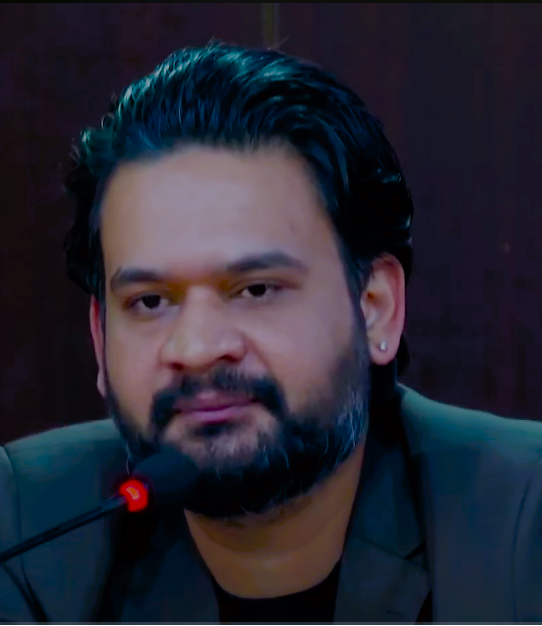
In the vast ocean of online information, some search queries act like unique sonar pings, highlighting not just what's found, but more importantly, what isn't. The phrase "rappeur premier ministre" is one such fascinating case. A direct translation from French, it means "rapper prime minister" – an intriguing and provocative combination of words that immediately sparks curiosity. However, as many users discover, attempting to find concrete information on this specific term can lead to a frustrating experience, often yielding results that are completely unrelated to the query's core essence. This article delves into the phenomenon of the "context gap" surrounding searches like "rappeur premier ministre," exploring why typical news feeds fail to provide relevant content and offering strategies for navigating such elusive queries.
The Enigma of "Rappeur Premier Ministre": A Query Beyond the Headlines
The term "rappeur premier ministre" is inherently captivating. It combines two vastly different societal roles: the often rebellious, culturally influential figure of a rapper and the highest political office in many parliamentary democracies. The very combination suggests a narrative, a hypothetical scenario, or perhaps a niche cultural reference. Is it a real person? A character from a fictional work? A political meme or satire? Without immediate context, the search query floats in an informational vacuum.
When a search engine encounters such a phrase, especially one with a distinct foreign language origin, it attempts to match keywords. However, the articles commonly found in mainstream news feeds – those discussing, for instance, Social Security checks, tragic accidents, or road incidents – operate in an entirely different contextual universe. These articles are factual, immediate, and generally devoid of speculative political-cultural crossovers unless they are part of a major, widely reported phenomenon.
The immediate implication of this "context gap" is that the searcher isn't looking for standard breaking news. They are likely seeking something more nuanced: a discussion, an analysis, a cultural commentary, or a fictional narrative. Understanding this distinction is the first step in comprehending why generic news sources consistently draw a blank.
Decoding the "Context Gap": Why General News Articles Fall Short
The core reason why a search for "rappeur premier ministre" fails to yield relevant results in typical news streams is fundamentally about contextual relevance and domain specificity. News articles about Social Security adjustments, tragic events like a boy's death in a holiday hotspot, or multi-vehicle crashes are focused on immediate, factual reporting of concrete events. Their purpose is to inform the public about current affairs, public safety, and governmental changes that directly impact daily life.
A phrase like "rappeur premier ministre" simply does not fit into these categories. It's not a standard political report, nor is it a report on a major cultural figure's direct entry into high office that would make international headlines. The information a searcher seeks is likely to be found in very different domains:
- Cultural Commentary: Blogs, essays, or academic papers discussing the intersection of hip-hop culture and politics.
- Fictional Works: Reviews or discussions of books, films, or TV shows where such a character might exist.
- Political Satire/Humor: Websites dedicated to political cartoons, memes, or satirical news.
- Niche Forums/Discussions: Online communities discussing hypothetical political scenarios or specific cultural references.
The algorithms of search engines, while incredibly sophisticated, primarily rely on keyword matching and the perceived topicality of the source material. If the words "rappeur," "premier," and "ministre" (or their English equivalents) do not appear in a meaningful, relevant context within a document, or if the document's overall topic is far removed, it will not be deemed relevant. This is precisely why unrelated articles, as highlighted in the provided context, surface: their content has no semantic overlap with the specific, niche query. For a more detailed look into this phenomenon, consider reading our related piece on "Rappeur Premier Ministre": Why Relevant Content is Missing.
Strategies for Navigating Niche and Hypothetical Searches
When faced with a "context gap" for terms like "rappeur premier ministre," adopting a more strategic approach to searching is crucial. It's about thinking beyond simple keyword input and understanding the nature of the information you're truly seeking.
Refining Your Query: Precision and Context are Key
- Use Quotation Marks: For an exact phrase, enclose it in quotes: "rappeur premier ministre". This tells the search engine to look for that precise sequence of words, reducing irrelevant hits.
- Add Contextual Keywords: Think about *why* you're searching for this. Are you interested in France? Hip-hop? Politics? Fiction? Add these modifiers: "rappeur premier ministre" France hip-hop politics, or "rappeur premier ministre" novel movie.
- Consider Language Nuances: Since the phrase is French, try searching in French if you're comfortable. Websites in France or other French-speaking countries might contain discussions relevant to a French-language query. For instance, search "rappeur premier ministre" discussion politique.
- Search for Equivalents: If you're open to the concept but not necessarily the French term, try English equivalents like "rapper prime minister" politics or "hip-hop artist in government".
Beyond Mainstream News: Exploring Alternative Sources
The kind of information you're seeking is unlikely to be breaking news. Therefore, broaden your horizons beyond traditional news aggregators:
- Academic Databases: For scholarly articles on cultural studies, political science, or sociology that might discuss the intersection of music and politics.
- Cultural & Arts Blogs/Magazines: Websites focused on music, hip-hop culture, or art often feature opinion pieces, analyses, or even reviews of fictional works.
- Forums & Social Media: Platforms like Reddit (search relevant subreddits), X (formerly Twitter), or specialized forums can be hubs for discussions on niche topics, hypothetical scenarios, or emerging cultural references.
- Wikis & Encyclopedias: Check for entries on specific rappers who might have political aspirations, or fictional characters who fit the description.
Understanding Search Engine Limitations
It's important to remember that search engines excel at finding information that *exists* and is *indexed* in a relevant context. If "rappeur premier ministre" is a purely hypothetical concept, a nascent meme, or a very obscure reference, even the best search tools may struggle. The "context gap" in this instance isn't a failure of the search engine, but rather a reflection of the query's unique nature and the specific type of information it implies.
The Cultural and Political Landscape: What "Rappeur Premier Ministre" Might Represent
Even if a literal "rappeur premier ministre" doesn't currently hold office, the very concept behind the search query is rich with cultural and political significance. Hip-hop, globally, has evolved from a grassroots art form into a dominant cultural and economic force. Many rappers are not just musicians but also entrepreneurs, activists, and commentators on social and political issues. The idea of a rapper becoming a prime minister speaks to several compelling themes:
- Challenging the Establishment: It represents a subversion of traditional political norms, suggesting that leadership can emerge from unconventional backgrounds.
- Voice of the People: Rappers often come from marginalized communities and are seen as authentic voices for their respective populations, capable of articulating their concerns more effectively than traditional politicians.
- Youth & Modernity: Such a figure would embody a shift towards younger, more culturally connected leadership, potentially appealing to demographics often disengaged from mainstream politics.
- Symbol of Power Shift: It signifies a desire for different forms of power, where cultural influence translates directly into political authority, blurring the lines between art, activism, and governance.
Therefore, while direct factual reports may be absent, the underlying sentiment behind searching for "rappeur premier ministre" points to a broader interest in the evolving role of cultural figures in politics and the potential for new leadership paradigms. This query could be a sign of a larger cultural conversation happening, perhaps even a nascent trend or a widely shared fantasy.
Conclusion
The quest for "rappeur premier ministre" perfectly illustrates the intricacies of online information retrieval. The consistent absence of this phrase in general news articles, as observed in our reference context, isn't a dead end but a signpost pointing to a "context gap." It highlights that some queries demand a shift in search strategy – moving from expecting factual news reports to seeking out cultural commentary, speculative discussions, or even fictional narratives. By understanding the unique nature of such a query and employing more sophisticated search techniques, information seekers can bridge this gap and uncover the rich, often unindexed, discussions surrounding the fascinating intersection of hip-hop culture and high politics.